

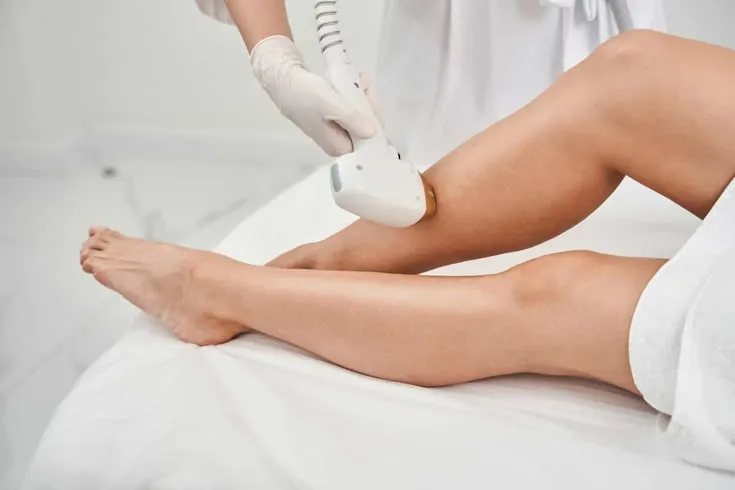

Preparing for a vacation, sports season, or important celebration often brings grooming plans into focus. Some people want fewer shaving sessions, while others are concerned about irritation or uneven skin texture. These are different goals, even when they affect the same part of the body. Professional laser hair removal may reduce unwanted hair growth over multiple appointments, but results depend on hair pigment, skin characteristics, and treatment settings. Understanding the process early helps people schedule appointments safely instead of expecting a last-minute solution.
Identify the Problem You Want to Address
Frequent shaving can cause discomfort for some people, while waxing may be inconvenient because it requires hair to regrow between appointments. Other individuals simply dislike the time involved in regular grooming. There is no requirement to remove body hair at all.
Write down whether your priority is reducing growth, limiting irritation, or improving the appearance of the skin. This distinction helps during consultation because treatments aimed at follicles do not automatically resolve every concern about texture or pigmentation.
Learn Why Several Sessions Are Needed
Laser systems deliver light that targets pigment associated with hair follicles. Follicles cycle through growth phases, and they do not all respond at the same time. That is why treatment is generally scheduled as a series rather than a single appointment.
Hair color, treatment area, hormone-related factors, and device selection can influence results. Very light or white hair may respond poorly to pigment-based systems. Some people also need maintenance sessions, so descriptions such as permanently hair-free should be approached cautiously.
Consider Sun Exposure and Skin Sensitivity
Recent tanning can affect treatment planning and may increase the risk of unwanted pigment changes or burns. Tell the provider about outdoor activities, tanning products, past reactions, and medications that may affect light sensitivity.
Follow the clinic’s instructions about sun protection before and after appointments. If you have an upcoming beach trip, ask whether it would be safer to postpone treatment. A consultation should include discussion of device selection, protective eyewear, and expected side effects.
Know Which Treatments Do Different Jobs
A person concerned about rough or dull facial skin may benefit from discussing exfoliation separately from hair reduction. microdermabrasion removes superficial dead skin cells using a specialized device; it does not target hair follicles or replace laser treatment.
Because both procedures can temporarily increase sensitivity, scheduling them too close together on the same area may be inappropriate. Ask the provider how to space appointments and whether active irritation, acne, or other skin conditions call for a different approach.
Build a Practical Appointment Timeline
The number and spacing of sessions should follow the provider’s assessment, not a generic internet calendar. Leave time for consultation, potential schedule changes, and any temporary skin reactions before a major event.
Before the first session, confirm:
-
Whether shaving is required beforehand.
-
Which hair-removal methods to avoid between visits.
-
How to handle sunscreen and self-tanning products.
-
When exercise, swimming, or hot showers can resume.
-
Whom to contact if unusual irritation develops.
A written preparation plan makes the process easier to manage. It can also prevent conflicting advice from friends or online sources, especially when more than one skin treatment is being considered.
Treat Comfort and Safety as Priorities
Laser treatment may feel like brief snapping or warmth on the skin. Cooling measures can improve comfort, but no clinician can promise that everyone will experience the procedure without discomfort. Temporary redness and swelling are possible.
More serious reactions, including burns or pigment changes, can occur. Tell the provider about previous procedures and relevant medical concerns. Increasing pain, blistering, or persistent discoloration should prompt timely professional advice instead of home experimentation.
Compare Time, Cost, and Expectations
A course of appointments creates a financial and scheduling commitment. Ask for an explanation of treatment areas, estimated sessions, follow-up needs, and the provider’s cancellation policies. Avoid purchasing a large package before understanding whether you are a suitable candidate.
Shaving and other conventional grooming methods remain valid alternatives. The most appropriate choice depends on your goals, preferences, budget, and tolerance for repeated appointments, not on advertising claims.
Conclusion
Planning aesthetic services early allows more room for informed decisions and safer scheduling. Laser-based hair reduction and superficial exfoliation address different concerns, so they should not be treated as interchangeable solutions. Individual assessment, sun protection, and careful aftercare matter more than dramatic promises. People researching these services in Apple Valley, Minnesota, can find treatment information through sanavittamedspa.com. A realistic plan should fit the person’s routine, allow for variable results, and prioritize comfort and appropriate professional guidance.