



A sticky Tube journey in July. A spin class that leaves your top soaked. A long walk on the first properly hot day of the year. For anyone with sensitive underarms, these are the moments when a usually comfortable routine starts to sting, rub or simply give up.
More deodorant isn’t the answer. Heat and exercise change what your skin is dealing with, so your routine needs to change a little too. If you’ve moved to an aluminium free deodorant uk option, or you’re thinking about it, here’s how to stay fresh without straining your skin.
Quick answer: Apply deodorant to clean, dry skin before you head out, wear loose or moisture-wicking clothing, and avoid shaving or trying new products right before a workout or hot day. Afterwards, rinse, pat dry and change out of damp clothes. If your skin is red or sore, let it recover before reapplying.
Why Heat and Exercise Are Tough on Sensitive Underarms
When you’re hot or active, you sweat more and for longer. That moisture sits where your arm meets your body, an area that never stops moving, and skin that stays damp softens and chafes more easily. Add a fresh shave or a fragranced product and it’s no surprise things flare up. Warm, damp conditions also suit the bacteria behind body odour, which is why freshness fades faster in summer.
Before You Exercise or Head Out
-
Apply early. Put deodorant on clean, dry skin after your shower and let it settle before dressing.
-
Shave the night before. Sweat on freshly shaved skin often stings.
-
Don’t experiment on a big day. Try a new product on a quiet day first, not before a long run or a day in the sun.
-
Dress for the activity. Loose cotton or linen for the commute; lightweight, moisture-wicking kit with flat seams for the gym.
A deodorant without aluminium won’t stop you sweating mid-workout, but applied beforehand it keeps odour in check while your body cools itself.
During a Workout or a Hot Day
Let sweat do its job. Drink water, take breaks in the shade and roll up your sleeves or lose a layer when you can. If you need to dry off, pat with a soft towel rather than rubbing. On long days, a spare top is often more useful than extra deodorant, because getting out of damp fabric cuts both odour and friction.
After You Finish
Rinse your underarms with cool or lukewarm water and a mild wash, then pat dry. Change out of sweaty kit promptly and wash it soon, as synthetic fabrics hang on to odour. If your skin looks pink or tender, wait before reapplying.
Hot-Weather Tips by Activity
|
Activity |
What to wear |
Deodorant tip |
|
Summer commute |
Loose cotton or linen |
Apply in the morning; refresh at lunch on clean skin |
|
Gym or fitness class |
Moisture-wicking top with flat seams |
Apply beforehand; freshen up afterwards |
|
Outdoor running |
Lightweight technical top with roomy armholes |
Use a thin layer; reapply after showering |
|
Long walk or hike |
Breathable layers and a spare top |
Wipe and dry before any top-up |
|
Holiday heat |
Light, loose clothing |
Skip skin that’s sunburnt or rashy |
Picking a Natural Deodorant for Sensitive Skin in Summer
Warm, damp skin is already under strain, so steer clear of anything you know yours dislikes. For many people, that means fragrance or bicarbonate of soda. A natural deodorant for sensitive skin should offer a version without whichever one bothers you, along with a clear ingredient list.
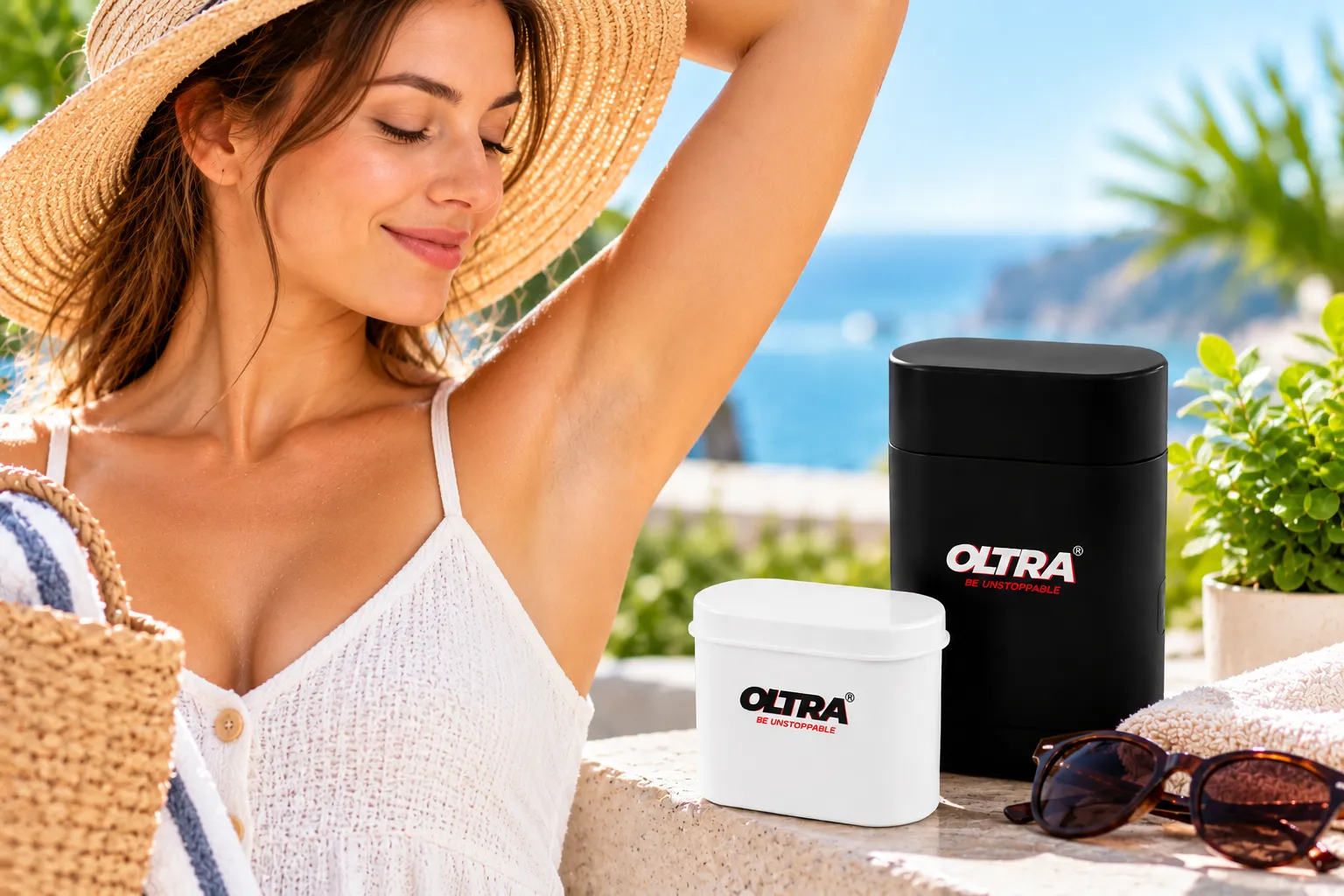
Oltra Guard is one UK choice that suits active routines. It’s aluminium-free, uses magnesium hydroxide, zinc ricinoleate and tapioca starch, and comes in Standard and Bi-Carb-Free formulas, plus a fragrance-free Core option. The brand suggests a small amount on clean, dry skin, topped up during heat or intense activity, and says it can be used beyond the underarms on sweaty spots like the back or neck. Results vary from person to person.
Heat Rash, Chafing or a Reaction?
Not every underarm flare-up is the deodorant’s fault. Heat rash shows up as tiny, itchy bumps in hot weather and usually settles once you cool down. Chafing looks red and raw where skin or fabric rubs, often after long activity. A product reaction tends to appear where you apply it and returns with each use. If you suspect the deodorant, stop using it, and if anything persists or worsens, see a pharmacist or GP.
Frequently Asked Questions
Should you put deodorant on before or after a workout?
Both can work. Applying before exercise helps control odour while you sweat, and reapplying after a shower keeps you fresh for the rest of the day. Always apply to clean, dry skin.
Is it OK to skip deodorant when you exercise?
Yes. Deodorant is optional and doesn’t affect your health or performance. Some people with sensitive skin prefer to train without it and shower straight afterwards, especially if their underarms are already irritated.
Why do I smell more in hot weather?
Heat makes you sweat more, and warm, damp skin is ideal for the bacteria that turn sweat into odour. Synthetic clothing can trap the smell too. Washing daily, wearing breathable fabrics and changing damp tops promptly all help.
Does natural deodorant work in hot weather?
It can control odour in the heat, but it won’t keep you dry because it contains no aluminium. On very hot days you may need to freshen up and reapply. Apply to clean skin rather than layering over sweat.
How do you get rid of heat rash in your armpits?
Keep the area cool and dry, wear loose cotton clothing and take cool showers. Avoid heavy creams and fragranced products until it clears. Heat rash usually settles within a few days; if it doesn’t, or looks infected, speak to a pharmacist or GP.
Why do my gym clothes still smell after washing?
Synthetic fabrics can hold on to odour-causing bacteria and body oils. Wash kit soon after use, turn it inside out, avoid overloading the machine and skip fabric conditioner, which can trap smells and reduce wicking.
Final Thoughts
Hot weather and exercise don’t have to mean sore, sweaty underarms. Prepare your skin beforehand, let it sweat freely while you move and treat it gently afterwards. With breathable clothing and a formula your skin tolerates, staying fresh becomes far less of a battle.