

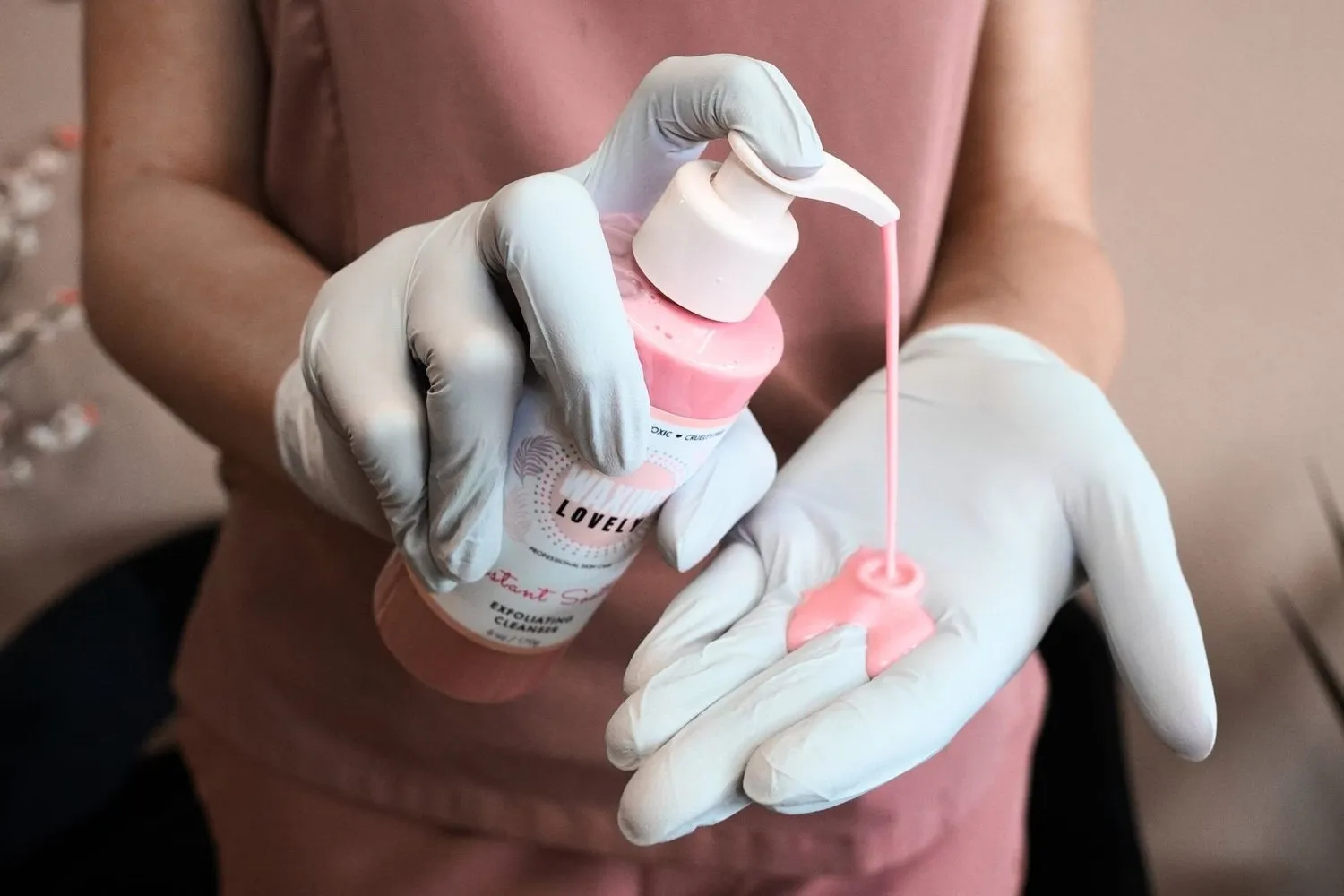

The word sounds like a joke, but the treatment behind it is pretty straightforward. A vajacial is basically a facial for the skin around the bikini area. It’s external only, and it’s designed to deal with the same kinds of problems you’d get anywhere else on the body after hair removal: bumps, dryness, and irritation. If you’ve seen it online, you may also have spotted the spelling vagacial, as in vagacial treatment. Same thing, different spelling.
What a vajacial is meant to help with
Skin in the bikini area gets a lot of wear. Shaving, waxing, tight clothes, and sweat all take a toll. A vajacial focuses on that external skin and is usually aimed at issues like:
-
Ingrown hairs and the bumps that come with them
-
Dry, flaky, or rough patches
-
Congestion and clogged pores
-
Irritation after hair removal
It isn’t a medical treatment, and it doesn’t treat infections or anything internal. Think of it as skin care, not a cure.
If you’re curious how this looks in practice, the page for the vajacial treatment at Naked Skin Waxing lists what it targets, such as ingrowns, irritation, and dry skin, which lines up with the list above.
What happens during a session
Every studio does things a little differently, but a typical appointment looks something like this. You’ll talk with your provider first about your skin, what’s bothering you, and any sensitivities. Then comes a gentle cleanse of the area, followed by a mild exfoliation to loosen dead skin and help free trapped hairs. Some providers do careful extractions if they’re appropriate for your skin, and finish with a soothing mask or a hydrating product to calm things down.
You’ll be covered the whole time, in a private room, and the provider should explain each step before they do it. If anything feels uncomfortable, you can say so and they should adjust. Sessions often run somewhere around 30 to 45 minutes, though it varies by studio, so ask when you book.
Who might benefit
People who are ingrown-prone, those whose skin gets dry or irritated after waxing or shaving, and anyone who wants a bit of extra care for that area. It can also be a nice add-on if you already get regular waxing appointments. That said, it isn’t for everyone. Skin that’s sunburned, broken, or inflamed should be left alone until it heals, and your provider may suggest skipping it in those cases. It can also make sense seasonally, for example before a vacation when you’ll be in swimwear more, or after a stretch of shaving that left your skin feeling rough.
Timing it with a wax
This is a question that comes up a lot. Because waxing leaves skin a bit sensitive, many providers suggest spacing treatments rather than stacking them on the same day, and the right timing depends on your skin and the specific service. A common approach is to book a vajacial a little after waxing, once the skin has settled. Others do it before. The best answer comes from your specialist, who knows your skin.
On the day
Wear something loose and comfortable, and tell your provider about any medications or skincare products you use, especially retinoids or exfoliating acids. You’ll be draped, and the room should feel private and calm. It’s normal to have questions once you’re there, so ask them before anything starts. A good provider will never rush you through that part.
Safety and aftercare
A vajacial treats the outside only. Nothing goes inside the body, and nobody should suggest that it does. If you have symptoms like unusual discharge, itching, pain, a rash, or anything that could be an infection, see a doctor first. That’s not something to treat with a skin service.
After your session, wear loose, breathable clothing, skip hot baths, saunas, and intense workouts for a day or so, and avoid picking or scrubbing. Follow whatever product advice you’re given, and let your skin settle before you try anything new.
What a vajacial won’t do
It’s worth being clear about the limits. A vajacial isn’t hair removal, so you’ll still need to wax or shave as usual. It won’t treat infections, skin conditions, or anything internal, and it isn’t a substitute for seeing a doctor. It also won’t give identical results to everyone. Some people notice smoother, calmer skin after a few sessions, and others see little change, depending on their skin, their hair removal habits, and how they look after the area. A good provider will tell you this up front rather than promising dramatic results.
Treat it as one piece of a routine, not a cure-all. Gentle cleansing, breathable clothing, and not picking at bumps still do most of the day-to-day work.
Questions to ask before you book
A few things are worth checking. Who performs the treatment, and how are they trained? What products are used, and are they suitable for sensitive skin? Is a patch test or consult available? How is the room kept clean between clients? A confident, clear answer to each is a good sign.
Asking these questions up front saves a lot of second-guessing later. For the full list of services around Sacramento and Elk Grove, head to nakedskinwaxing.com.